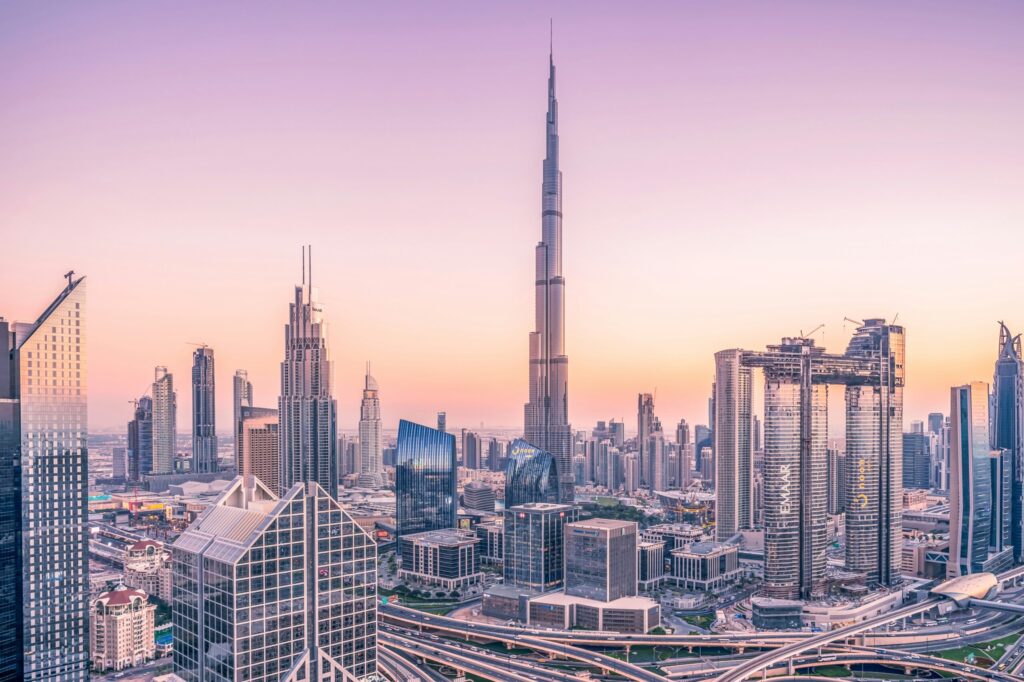


Strategic Location and Cross-Border Accessibility
The MENA’s geographic position at the crossroads of Europe, Asia, and Africa makes it a prime transit and long-stay hub. Projects like new
airports in Riyadh, high-speed rail in UAE, Egypt and Morocco, and enhanced cruise terminals across Dubai, Abu Dhabi, and the Red Sea are further enabling cross-border tourism and multi-destination trips.
Investor-Friendly Reforms and Incentives
The region has introduced several regulatory reforms to boost private and foreign investment in hospitality:
● Unified GCC Tourism Visa (Upcoming) – A Schengen-style visa expected to increase intra-GCC travel.
● Relaxation of local partnership requirements – International hospitality brands can now invest independently in many GCC nations.
● Tax breaks and subsidies – For example, The Red Sea Development Company in Saudi Arabia offers incentives for sustainable hospitality investors.
● PPP frameworks – Governments are actively encouraging public-private partnerships to co-develop hospitality infrastructure.
With these enablers in place, the GCC’s hotel room capacity is expected to exceed 1.1 million in the coming years — reflecting both the scale of ambition and the speed of delivery.